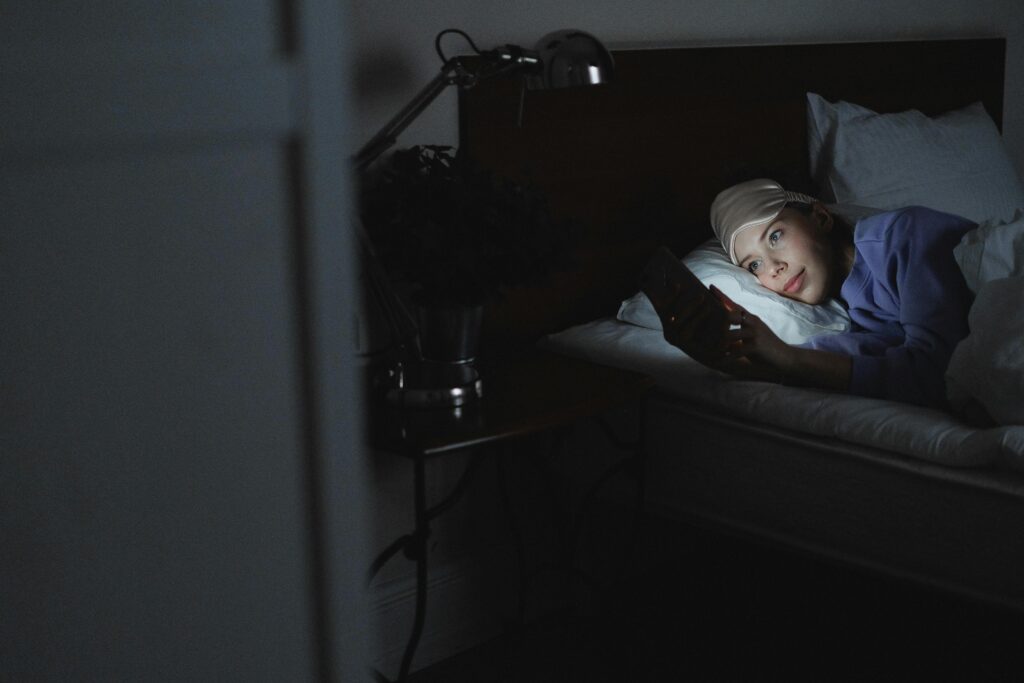
There was a time when I believed sleeping less meant working harder. Late nights felt productive. Scrolling through my phone at 2 AM somehow became normal. Coffee replaced energy, and “I’ll sleep later” became a lifestyle.
But slowly, my body started fighting back.
I woke up tired even after spending hours in bed. My mood changed. Small problems felt huge. My focus disappeared, and even relaxing didn’t feel relaxing anymore. It was strange because nothing dramatic had happened. I was simply running low on something I had underestimated for years.
Sleep.
Not luxury sleep. Not perfect sleep. Just real, uninterrupted rest.
The truth is, modern life has quietly turned sleep into a struggle. We stay connected all day, consume endless information, and somehow expect our minds to shut down instantly at night. It rarely works that way.
Many people think exhaustion is normal now. We joke about needing caffeine to survive mornings or staying awake until sunrise watching videos we barely remember. But deep down, most of us miss the feeling of waking up refreshed.
That feeling almost feels magical now.
Sleep Is More Than Rest
Good sleep affects almost everything in life.
Your mood becomes steadier. Your skin looks healthier. Your focus sharpens. Even conversations feel easier because your brain is no longer operating in survival mode.
I noticed this personally after changing a few nighttime habits. Nothing extreme. I started reducing screen time before bed. I stopped checking emails late at night. Sometimes I would simply sit quietly for ten minutes before sleeping instead of consuming more content.
The difference surprised me.
I started waking up with clearer thoughts. My energy felt natural instead of forced. Even stressful days became easier to handle because my mind finally had time to recover.
People often search for productivity hacks while ignoring the most powerful reset button the body already has.
Sleep repairs more than tiredness. It repairs mental clarity.
Why So Many People Struggle to Sleep
Modern routines are not designed for healthy sleep.
Bright screens confuse our brains into thinking it’s still daytime. Stress follows us into bed. Notifications interrupt silence. Some people fall asleep with television noise because quietness itself feels uncomfortable now.
Then there’s overthinking.
The moment the room becomes dark and silent, the brain suddenly decides to replay every awkward conversation from the last five years. It starts planning tomorrow’s problems at midnight like an unpaid life coach.
Many people are physically tired but mentally overstimulated.
That combination creates restless nights.
Another hidden issue is irregular schedules. Sleeping at different times every night confuses the body clock. One night it’s midnight, another night it’s 3 AM, and somehow we expect the body to adapt instantly.
It usually doesn’t.
Small Habits That Changed My Sleep
Improving sleep did not require expensive gadgets or complicated routines. The biggest improvements came from simple habits.
Creating a Wind Down Routine
I stopped treating bedtime like an emergency shutdown.
Instead of jumping from bright screens directly into bed, I started slowing things down gradually. Dim lights, calm music, reading a few pages of a book, or even stretching quietly helped signal my brain that the day was ending.
The body responds surprisingly well to consistency.
Keeping the Phone Away
This one was difficult.
Phones are designed to keep attention locked in. One short video turns into forty minutes without noticing. Late-night scrolling became a habit that silently stole sleep quality.
Keeping the phone away from the bed helped more than I expected. My mind became calmer without endless stimulation before sleep.
Reducing Late Night Stress
I realized many sleepless nights were connected to stress carried into bed.
Writing thoughts down before sleeping helped clear mental clutter. Sometimes I would make a simple to-do list for the next day so my brain wouldn’t have to remember everything at midnight.
It sounds simple because it is simple.
But simple habits often work best.
The Emotional Side of Sleep
Poor sleep affects emotions in ways people rarely talk about.
When sleep-deprived, small frustrations feel massive. Patience disappears quickly. Motivation drops. Even happy moments feel dull because the brain is running on low energy.
After several nights of quality sleep, life feels lighter again.
You laugh more easily. Conversations feel smoother. Motivation slowly returns. The world itself feels less heavy.
That emotional reset is one reason sleep matters so much.
It quietly shapes how we experience life.
You Don’t Need Perfect Sleep
One thing I learned is that obsessing over perfect sleep can actually create more stress.
Some nights will still be restless. Some days, stress will win. That’s normal.
The goal is not perfection.
The goal is to give your body enough opportunities to recover consistently.
Even a slight improvement in sleep can create noticeable changes in energy, focus, and mental health.
People often wait until they’re burned out before taking sleep seriously. But the body sends small warning signs long before that happens.
Constant fatigue.
Brain fog.
Low motivation.
Mood swings.
Difficulty focusing.
These signs are easy to ignore until they become impossible to ignore.
Final Thoughts
Sleep may seem passive, but it’s one of the most active forms of healing the body experiences.
While we sleep, the brain organizes memories, repairs stress damage, and restores energy we often waste too quickly during the day.
In a world that constantly demands attention, rest has become underrated.
But maybe real wellness is not always about doing more.
Sometimes it begins with finally allowing yourself to rest properly.
And honestly, waking up feeling refreshed might be one of the best feelings modern life can offer.
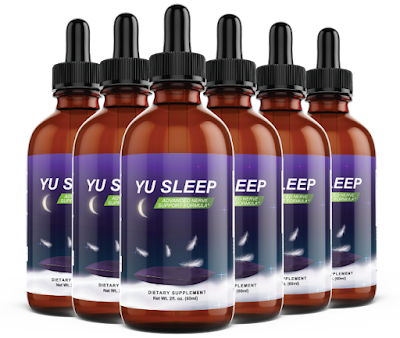
If you purchase through my affiliate link, I may earn a small commission at no extra cost to you. The price remains the same, but your support helps me continue creating helpful health and wellness content. Thank you for supporting my work.
⬇ Improve Your Sleep Tonight