

Back Pain Relief Methods: Simple Ways to Reduce Pain Naturally
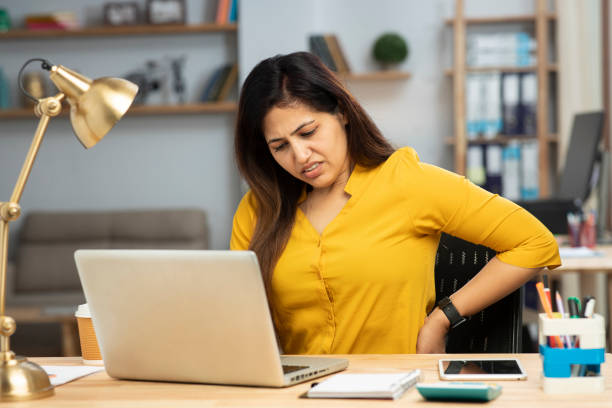
Back pain is one of the most common health problems affecting millions of people worldwide. Whether you work long hours at a desk, lift heavy objects, or spend too much time using your phone, back pain can interfere with your daily life. The good news is that there are many effective back pain relief methods that can help reduce discomfort naturally and improve your quality of life.
In this guide, we will explore the best methods for back pain relief, including exercises, posture correction, stretching, lifestyle habits, and home remedies.
What Causes Back Pain?
Before treating back pain, it is important to understand its common causes. Some of the most common reasons include:
- Poor posture
- Long sitting hours
- Muscle strain
- Lack of exercise
- Obesity
- Stress and tension
- Heavy lifting
- Sleeping in the wrong position
- Injuries or accidents
Back pain can affect the upper back, middle back, or lower back. Lower back pain is the most common type.
1. Improve Your Posture
Poor posture puts extra pressure on the spine and muscles. Correct posture can significantly reduce back pain.
Tips for Better Posture
- Keep your shoulders relaxed and straight.
- Sit with your feet flat on the floor.
- Avoid bending your neck for long periods while using a phone.
- Use a chair with proper back support.
- Keep your computer screen at eye level.
Maintaining proper posture during work and daily activities helps prevent muscle strain and spinal stress.
2. Regular Stretching Exercises
Stretching improves flexibility and reduces stiffness in the back muscles.
Best Stretches for Back Pain Relief
Cat-Cow Stretch
This yoga stretch improves spine flexibility and reduces tension.
Child’s Pose
Helps stretch the lower back and relax the muscles.
Knee-to-Chest Stretch
Reduces lower back tightness and improves mobility.
Hamstring Stretch
Tight hamstrings can increase back pain. Stretching them reduces pressure on the lower back.
Perform stretching exercises daily for 10–15 minutes.
3. Strengthen Core Muscles
Strong abdominal and back muscles support the spine and reduce the risk of pain.
Effective Core Exercises
- Planks
- Bridges
- Bird-Dog Exercise
- Pelvic Tilts
- Side Planks
Start slowly and increase intensity gradually.
4. Stay Physically Active
Lack of movement can make back pain worse. Gentle physical activity improves blood circulation and keeps muscles flexible.
Best Activities for Back Pain
- Walking
- Swimming
- Cycling
- Yoga
- Light stretching
Avoid staying in bed for long periods because inactivity may increase stiffness.
5. Use Hot and Cold Therapy
Hot and cold therapy is one of the easiest home remedies for back pain relief.
Cold Therapy
Use an ice pack during the first 24–48 hours after pain begins. It helps reduce inflammation and swelling.
Heat Therapy
Use a heating pad or warm towel to relax tight muscles and improve blood flow.
Apply therapy for 15–20 minutes several times daily.
6. Maintain a Healthy Weight
Excess body weight puts additional stress on the spine and lower back.
Healthy Weight Tips
- Eat balanced meals
- Reduce processed foods
- Drink enough water
- Exercise regularly
- Increase fruits and vegetables
Weight management can greatly reduce chronic back pain.
7. Sleep in the Right Position
Poor sleeping posture can worsen back pain.
Best Sleeping Positions
- Sleep on your back with a pillow under your knees.
- Sleep on your side with a pillow between your knees.
- Use a medium-firm mattress.
Avoid sleeping on your stomach because it strains the spine.
8. Reduce Stress and Anxiety
Stress causes muscle tension, which can increase back pain.
Stress Management Methods
- Meditation
- Deep breathing exercises
- Yoga
- Listening to relaxing music
- Spending time outdoors
Mental health and physical health are closely connected.
9. Stay Hydrated
The spinal discs need hydration to maintain flexibility and function.
Hydration Tips
- Drink at least 2–3 liters of water daily.
- Reduce sugary drinks.
- Eat water-rich foods like cucumber and watermelon.
Good hydration supports spinal health and overall wellness.
10. Try Massage Therapy
Massage therapy relaxes muscles and improves blood circulation.
Benefits of Massage
- Reduces muscle tension
- Improves flexibility
- Relieves stress
- Enhances relaxation
Professional massage or self-massage tools may help reduce discomfort.
11. Use Ergonomic Furniture
Using ergonomic furniture can prevent back strain, especially for office workers.
Helpful Ergonomic Changes
- Adjustable office chair
- Lumbar support cushion
- Standing desk
- Footrest
These changes improve posture and reduce pressure on the spine.
12. When to See a Doctor
Sometimes back pain may require medical attention.
Consult a Doctor If:
- Pain lasts more than a few weeks
- Pain becomes severe
- Numbness or weakness occurs
- Pain spreads to the legs
- Fever accompanies the pain
Early treatment can prevent serious complications.
Natural Lifestyle Habits for Long-Term Back Pain Relief
Healthy daily habits can prevent recurring back pain.
Daily Healthy Habits
- Stretch every morning
- Take breaks from sitting
- Walk regularly
- Maintain good posture
- Sleep properly
- Manage stress
- Exercise consistently
Consistency is the key to maintaining a healthy back.
Final Thoughts
Back pain can affect productivity, sleep, and overall well-being. Fortunately, many natural back pain relief methods can help improve your condition without complicated treatments. Simple lifestyle changes like stretching, exercise, hydration, proper posture, and stress management can make a significant difference.
If your pain becomes severe or persistent, seek professional medical advice. Taking care of your spine today can help you live a healthier and pain-free life in the future.
Frequently Asked Questions (FAQs)
What is the fastest way to relieve back pain?
Applying heat or cold therapy, stretching gently, and resting for a short time can provide quick relief.
Is walking good for back pain?
Yes, walking improves blood circulation, strengthens muscles, and reduces stiffness.
Can poor posture cause back pain?
Yes, poor posture places stress on the spine and muscles, leading to discomfort and pain.
Which exercise is best for lower back pain?
Exercises like bridges, planks, pelvic tilts, and stretching exercises are helpful for lower back pain relief.
Can stress increase back pain?
Yes, stress causes muscle tension, which can worsen back pain symptoms.

